
Dive Brief:
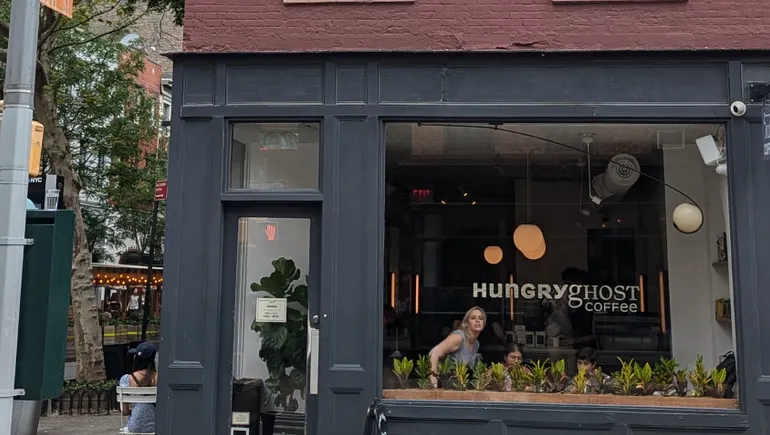
- New York City-based Hungry Ghost Coffee will pay $22,500 to settle a lawsuit by the U.S. Equal Employment Opportunity Commission alleging that it violated Title VII of the Civil Rights Act of 1964 when it refused to let a Muslim barista change shifts during Ramadan to accommodate his religious practice of fasting and then fired him because he requested an accommodation, EEOC announced Tuesday.
- Per the complaint in EEOC v. Hungry Ghost Tribeca, LLC, d/b/a Hungry Ghost Coffee, in March 2023, the barista asked his manager not to schedule him for his regular 2-8 p.m. shift during Ramadan so he could honor his religious practice of fasting during the day and breaking the fast at sunset. The manager still scheduled him to work two of these shifts, so the barista and a co-worker who worked the earlier shift agreed to swap shifts – but the manager refused to let them do so, the complaint alleges. The manager fired him before his regular shift ended, allegedly referencing the requested accommodation and accusing the barista of trying to control the work schedule.
- The Hungry Ghost case reminds employers that EEOC remains “steadfast” in its commitment to protecting against religious discrimination, EEOC Regional Attorney Kimberly Cruz stated in a media release. EEOC announced the settlement about a week after it sued the company.
Dive Insight:
Since EEOC changed leadership following President Trump’s inauguration in 2025, the agency has been vocal about aggressively enforcing Title VII’s protections against religious discrimination. Most noticeably, in an announcement last year, EEOC signaled it would be stepping up efforts to enforce “religious liberty protections for workers” so they would not be “forced to choose between their paycheck and their faith” — a priority EEOC formalized in its National Enforcement Plan, released in June.
“We appreciate the defendant’s willingness to enter into an early resolution of this case and to provide management with the necessary training to ensure reasonable accommodations for employees’ religious practices are provided unless doing so would cause an undue hardship,” Cruz said.
Hungry Ghost did not respond to a request for comment prior to press time.
Under a two-year consent decree, which makes no findings of fact or conclusions of law, Hungry Ghost must provide annual training on federal anti-discrimination laws tailored to each category of employee, including managers and staff with supervisory and HR responsibilities.
The training must also emphasize Title VII’s protections against religious discrimination, provide examples, explain employees’ rights and Hungry Ghost’s obligations, and discuss the company’s procedures for reporting discrimination, failure to accommodate, and harassment and retaliation, the document said.
Most of the world’s Muslims observe the lunar month of Ramadan through fasting, abstention, prayer and reflection, participants on a 2021 panel hosted by diversity, equity and inclusion consulting firm Kanarys explained. Employers can aid employees in their observation of Ramadan with a few simple workplace accommodations, such as being flexible about providing time for short breaks or short prayer meetings, participants suggested.
In this case, immediately after the barista was fired, he told his manager that “‘what [he] was asking is just a time to break [his] fast and feel normal during this month’ of Ramadan,” EEOC alleged.