
Dive Brief:
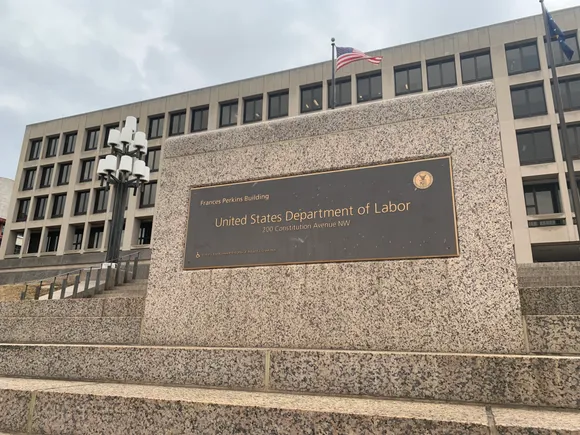
- A federal workplace safety inspector sued the U.S. Department of Labor Wednesday, alleging her supervisor sexually harassed her and blocked a potential pay increase, among other claims (Sanders v. DOL).
- The Occupational Safety and Health Administration inspector alleged a supervisor made racist comments to her and that her own supervisor propositioned her for sex. She complained and soon after — despite previous assurances her performance was outstanding — received a “minimally successful” performance rating that effectively blocked a pay increase, the lawsuit claimed.
- After complaining to HR that the agency had not taken action on her complaints, her supervisor rescinded her telework agreement, she alleged. An OSHA spokesperson said the agency cannot comment on open litigation.
Dive Insight:
If an employee successfully alleges workplace harassment, Title VII of the Civil Rights Act of 1964 generally creates liability for the employer if it knew or should have known that the harassment was taking place.
When the harasser is a supervisor, however, an employer may be held to a higher standard.
“The employer is automatically liable for harassment by a supervisor that results in a negative employment action such as termination, failure to promote or hire, and loss of wages,” according to U.S. Equal Employment Opportunity Commission guidance. “If the supervisor’s harassment results in a hostile work environment, the employer can avoid liability only if it can prove that: 1) it reasonably tried to prevent and promptly correct the harassing behavior; and 2) the employee unreasonably failed to take advantage of any preventive or corrective opportunities provided by the employer.”
DOL knew about the alleged discrimination, the Sanders plaintiff said, but even so, because the violations were “created and fostered by” managers, “liability is imputed” to DOL, she claimed.
Workplace experts have long recommended that employers take great care to train managers on antiharassment and antidiscrimination policies. HR also should thoroughly investigate all complaints, create robust documentation, be transparent with employees about the process and take corrective action as needed, management-side attorneys have recommended.