
Dive Brief:
- A Miami-based furniture company with 19 retail locations agreed to pay $1.3 million to end a U.S. Equal Employment Opportunity Commission investigation into its hiring practices, according to a Monday news release from the agency.
- EEOC said it found reasonable cause to believe that from November 2022 to February 2026, El Dorado Furniture Corp. engaged in a companywide practice of rejecting Black, White and other non-Hispanic applicants in favor of Hispanic applicants for all positions, in violation of Title VII of the Civil Rights Act.
- EEOC has geared up its enforcement of national origin bias over the past year, with a strong emphasis on anti-American discrimination.
Dive Insight:
El Dorado resolved the case by participating in EEOC’s pre-litigation conciliation process.
In addition to paying $1.3 million to a class of non-Hispanic applicants, the company will revise its hiring policies and guidelines, maintain anti-discrimination policies and train all recruiters and hiring managers on discrimination annually, among other stipulations.
“Every applicant deserves to be considered on their merits, without race or national origin being a factor,” Evangeline Hawthorne, director of EEOC’s Miami district office, said in the agency’s release. “This agreement helps reinforce that principle and supports fair, merit-based hiring.”
In a statement to HR Dive, El Dorado Furniture said it is committed to equal opportunity and fair treatment, and that it cooperated fully with EEOC throughout its investigation.
“The EEOC itself recognized our cooperation and the proactive steps we took during the investigation and we are pleased to have reached a resolution without litigation,” Jesús Capó, VP and CIO of the company, said.
EEOC significantly ramped up its enforcement of national origin and race discrimination claims in fiscal year 2026, which ended in September, an analysis by legal firm Seyfarth Shaw found; after filing three in FY2025, the agency filed 15 in FY2026, including a number alleging majority-group discrimination.
The pattern is unsurprising, as the agency announced the priority in February 2025. The agency also updated its resources for national origin bias last November, forecasting the year ahead.
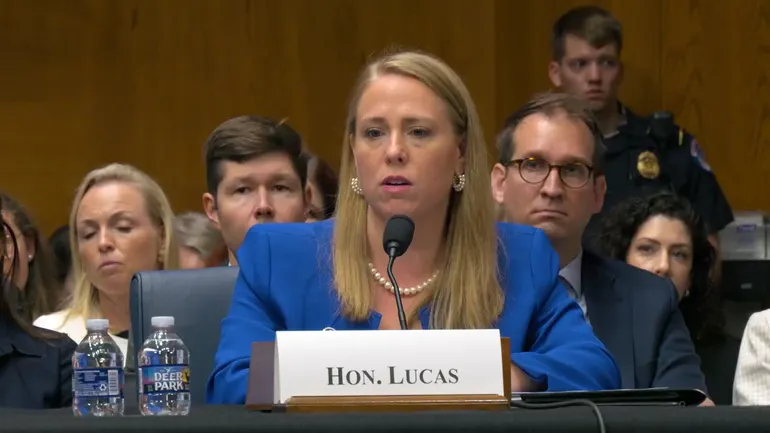
Just a few weeks ago, Chair Andrea Lucas reaffirmed the agency’s commitment to fighting anti-American bias with a video posted to LinkedIn and X soliciting complaints from American workers “of every race” — suggesting the focus is likely to continue into FY 2027.