
As more Americans feel the squeeze of an uncertain economy and rising costs, everyone seems to be looking for ways to save. This includes employers, who must manage growing expenses without sacrificing meaningful employee benefits. But with employer-sponsored health plans projected to rise by an average of six and a half to nine percent in 2026, striking the right balance can feel easier said than done.
This is where vision coverage—a benefit that’s sometimes overlooked—can offer surprising value. By supporting whole-person wellness, vision benefits are a small investment that have a big impact both on cost savings and employee retention and satisfaction.
The link between vision health and whole-person health
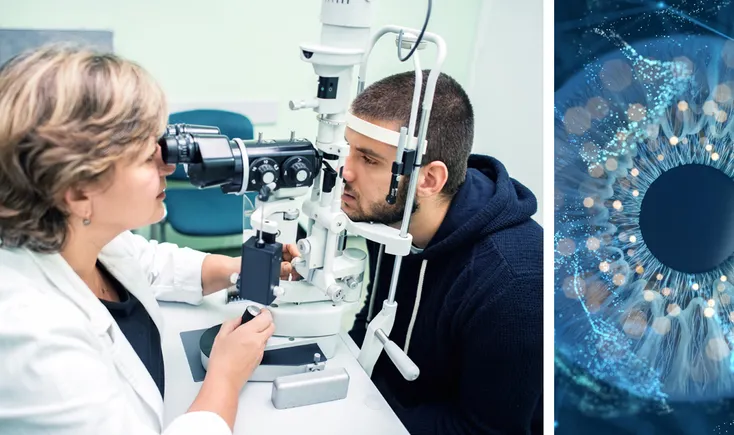
Because many people assume routine eye exams are used only for determining new prescriptions, their value is often underestimated. But eye exams also catch serious vision conditions including glaucoma, cataracts and macular degeneration. Detecting these issues early can prevent employees from needing more complex and costly treatments, while preserving their sight.
But surprisingly, vision care supports overall preventive care as well. In addition to vision issues, routine eye exams can catch serious health problems—often before symptoms arise. Eye doctors can now identify signs of more than 270 health conditions, such as diabetes, hypertension, autoimmune diseases and even certain cancers. In many cases, early detection can make a significant difference both in improving outcomes and reducing costs. By providing a window into an employee’s overall health, routine eye exams have become an integral part of whole-person health and wellness plans.
A healthier (and more productive) workforce
Uncorrected vision problems can significantly impact workplace performance. From headaches to digital eye strain, nearly eight in 10 employees report that vision issues affect their productivity. By helping employees see clearly and feel better, vision benefits directly contribute to engagement and output.
A measurable return on investment
The value of vision benefits for employees is easy to see: Eighty-three percent of U.S. adults use some form of vision correction and vision insurance helps reduce out-of-pocket expenses on exams, glasses and contact lenses.
But the return on investment is clear for employers as well. For every dollar employers invest in vision benefits, they can expect an ROI of up to $7. That’s because healthier vision means lower medical claims, fewer sick days and a workforce that’s sharper, more engaged and more productive.
Boosting talent recruitment and retention
Amid rising healthcare costs, benefits aren’t just a perk—they’re a priority. And they’ve become a differentiator in a competitive talent market.
Nearly three-quarters of employees say they would choose better health benefits over a higher salary. For employers, those benefits translate directly into retention: 78 percent of workers are more likely to stay when they’re satisfied with their benefits.
This includes vision coverage, too: 94 percent of employees say vision benefits are a valuable part of their total compensation package, while four out of five say vision benefits are as important to them as general medical insurance.
Conclusion
By including vision coverage in a comprehensive benefits package, employers demonstrate a commitment to the overall health and wellness of their employees. Such an investment shows they care for them not just as employees, but as individual people too. As workers struggle with rising costs and uncertainty in their careers, strong benefits help them feel valued, secure and more satisfied in the workplace.