
NASHVILLE, Tenn. — Hot flashes.
Night sweats.
Irritability.
Itchy ears. Yes, itchy ears.
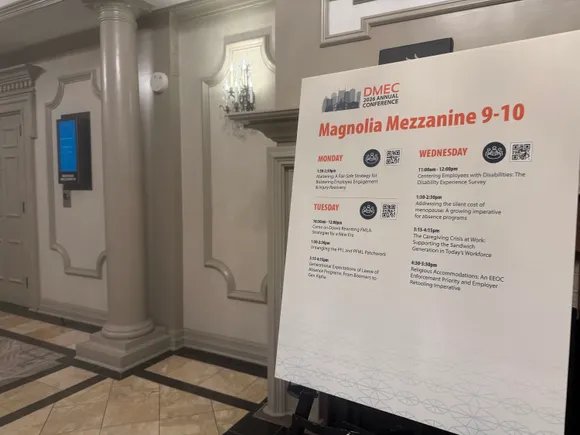
The symptoms of menopause — and perimenopause — are different for everyone and can last years, experts said Wednesday during a session at the 2026 Disability Management Employer Coalition Annual Conference in Nashville, Tennessee.
“People experience menopause during their peak leadership and professional years,” said Sarah Egizio, a registered nurse who works at Carrot, a fertility benefits company. “It’s important to support employees through menopause because it doesn’t only become a health issue, but it becomes a workplace issue as well.”
But conversations about menopause benefits are few and far between, and there’s a long way to go to support workers, experts said.
“First and foremost, we have to have a culture that fosters safety so that people feel safe to ask for the support that they need, and managers feel supported to being ready to provide that,” said Patty Borst, national practice leader of total absence management at consultancy The Partners Group.
Managers also need the training and the skill sets to help, Borst said.
Employees shouldn’t have to go to a manager and explain what they’re going through, Accai Bailey, regional absence practice leader at Guardian Life, said.
“Managers … need that training to understand what those key trigger words are,” Bailey said. They also should “read between the lines” when an employee’s performance drops suddenly, she said.
In many cases, workers can utilize existing benefits when dealing with menopause symptoms, experts said. Employers, too, can offer flexibility to workers on days when their symptoms are extreme.
In the absence of federal regulations, states are passing laws themselves. Last year, Rhode Island became the first state to require employers to provide workplace accommodations for workers and candidates experiencing menopause or related conditions. Other states have followed suit.