
Dive Brief:
- Bollinger Shipyards allegedly discriminated against five qualified job applicants by withdrawing their offers based on potential side effects of their prescription medication, according to a U.S. Equal Employment Opportunity Commission lawsuit filed Sept. 30. The maritime construction and repair company and its subsidiaries named in the lawsuit operate throughout the Southeast.
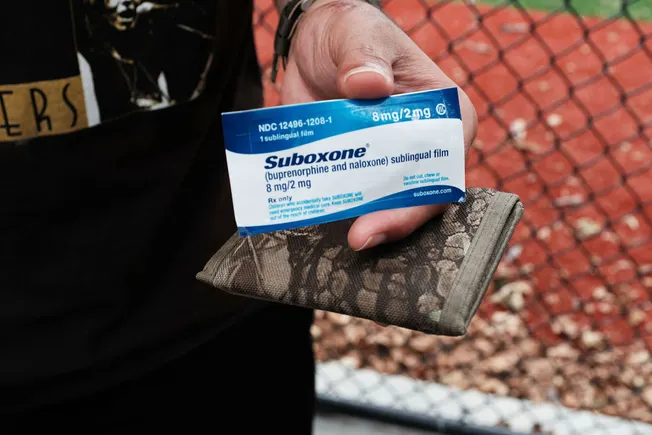
- Among other allegations, EEOC claimed the parent company’s HR director implemented a blanket ban on Suboxone use for “safety-sensitive” positions. HR Dive reached out to Bollinger Shipyards for comment and did not hear back by the time of publication.
- The lawsuit comes as another agency, the U.S. Department of Labor works to address the effects of opioid use in the workplace.
Dive Insight:
Problems allegedly arose in Bollinger’s hiring and onboarding process when workers would have to complete a post-offer, pre-employment examination at a third-party medical clinic. Each of the potential hires in question had to disclose which medicines they had been legally prescribed and provide their medical records.
Clinic personnel failed to verify the nature of the drug use, including whether each candidate currently used all medication listed in their medical records, whether they took their medication during work hours or at a time that could affect work hours, what side effects they experienced and whether they felt they could handle the “safety sensitive” aspects of the job, EEOC alleged.
The agency also claimed clinic personnel who conducted the pre-employment exams never marked the box on the report indicating that any of these hires “posed a direct threat to themselves or others.”
The agency alleged violations of the Americans with Disabilities Act and the Civil Rights Act of 1991.
EEOC previously sued Bollinger for similar conduct in September of last year. At the time, a regional attorney for the EEOC’s Birmingham district said the agency would vigorously enforce the ADA, calling it an “indispensable” law.
Announcing Wednesday’s lawsuit, acting EEOC Birmingham District Director Linda Sales-Long cautioned employers against making hiring decisions based on blanket assumptions. “Employers cannot rely solely on drug manufacturers’ listing of potential side effects as proof that an applicant cannot safely perform a job,” Sales-Long said.
This interest in protecting workers who use prescription medication follows the recent publication of a DOL guidance on the effects of opioid use trickling into the workspace. The Great Recovery Initiative, implemented during President Donald Trump’s administration, seeks to address the issue. White House Drug Czar Sara Carter noted on Monday that “fighting back against the deadly synthetic opioids infecting the entire illicit drug supply” is a priority for the administration.
The pervasiveness of opioid use and abuse makes it “critically important that the American workforce is familiar with drug overdose recognition and reversal,” Carter said. The Occupational Safety and Health Administration’s fact sheet on opioid emergencies primes employers for opioid overdose preparedness strategies, including how to use naloxone or nalmefene, and best practices for storing overdose kits, such as putting them in highly visible and easily accessible areas.