
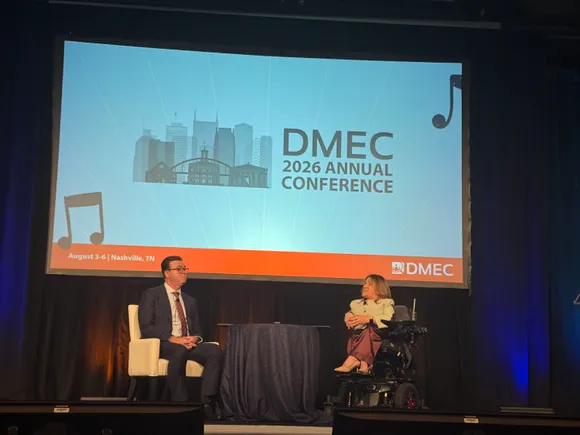
NASHVILLE, Tenn. — For return-to-work programs to be successful for employers and employees, they need to be “early, coordinated and sustained,” according to Julie Hocker, assistant secretary of labor for disability employment policy.
“The hard truth is this: The longer someone is out of work, the harder it becomes to ever get back,” Hocker said during a Monday session at the 2026 Disability Management Employer Coalition Annual Conference in Nashville, Tennessee. “After just 12 weeks away, it’s basically a coin toss, 50-50, whether or not that employee ever returns.”
The likelihood of returning to work drops off significantly after that, according to various sources.
“That drop off is rarely because the worker lacks the will to heal or the desire to work,” Hocker said. “If organizational systems are broken, even the strongest will gets crushed by administrative blades and isolation.”
Workers need, instead, for employers “to build a path and lead them halfway,” she said, and there needs to be a fundamental change in the mindset surrounding leave management.
“Work is not a reward for recovery. Work is the recovery. Staying attached to work isn’t separate from healing; it’s part of the healing process itself,” Hocker said.
Employers benefit, too, from helping employees get back to work through gains in retention, morale and cost savings, she said. “It’s good for the overall culture of a company, and I think we always need to be honest about the P&L at the end of the day.”
By age 56, nearly half of Americans have experienced short-term or long-term injury or illness, she said. “By definition, they’ve been disabled at some point.”
Yet only about 4 in 10 employers have formalized stay-at-work programs, said DMEC CEO Bryon Bass, citing the organization’s research. That’s down seven percentage points from two years before, a drop Bass characterized as “concerning.”
“We have opportunities to find ways to keep individuals working, rather, through flexible arrangements, accommodations and thinking differently about how work might be done,” Bass said.