
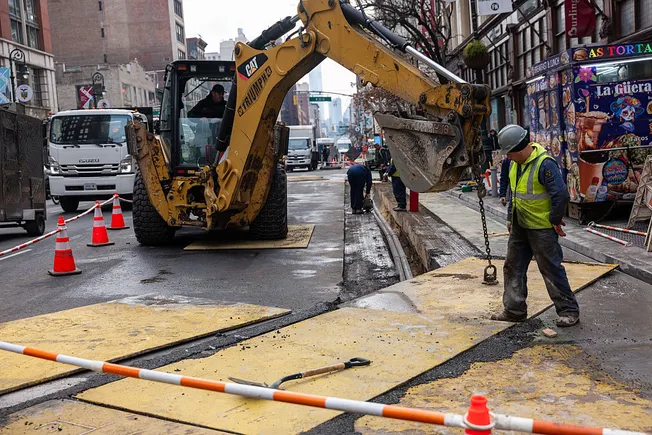
How many working people use drugs in the United States? According to clinical laboratory Quest Diagnostics, nearly 1 in 5 people tested positive for drug use via hair analysis.
The firm’s recently released report on the state of 2025 drug use among workers is compiled from its U.S. workforce data. The company tests for marijuana, cocaine, opiates, amphetamines and methamphetamine, using both hair and urine tests.
Hair testing has a 90-day detection window and may give employers a clearer picture of drug use, Quest said, suggesting that 1 in 5 workers engage in chronic, recurring drug use instead of occasional drug use.
Drug use is up 46% year over year since 2021, though positive tests for fentanyl have decreased. Quest researchers also broke down the industries that had the most overall drug use for 2024, its most recent data, including:
- Retail trade (5.9%)
- Health care and social assistance (5.6%)
- Administrative support and remediation services, including waste management (5.2%)
- Construction (5.1%)
Notably, cocaine use was highest in construction. Opiate use was highest among healthcare workers; amphetamine use was highest among educational services and healthcare workers.
How should HR handle drug use?
Previously, a former Disability Management Employer Coalition executive told HR Dive that, amid marijuana legalization and decriminalization, many employers continue to drug test but mainly for opioids, cocaine and heroin.
Coming from a disability rights perspective, she noted that people with disabilities use THC and CBD medicinally and suggested that employers focus on an “impairment test” instead. An attorney also suggested that employers focus on impairment, looking out for altered perceptions of distance and time, lack of coordination and carelessness, among other factors.
This middle ground or “extralegal” landscape continues to be a pain point for employers navigating changing social mores and slow lawmaking on the subject. Despite President Donald Trump’s December executive order rescheduling marijuana’s classifications, for example, the federal government doubled down on drug testing for its workforce.