
Dive Brief:
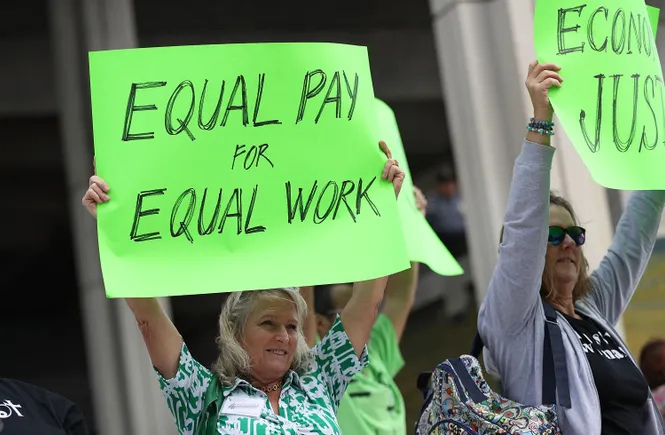
- The gender pay gap in the U.S. grows over time, starting at a 12% difference between men and women at career entry, then growing to 19% after 10 years, before reaching 25% after 30 years, according to the 2026 Beyond the Gap report from Glassdoor.
- Women’s earnings more or less stop growing in their late 30s, but men’s wages continue to grow steadily throughout their 40s, the report said. Since the within-role difference is mostly flat during this period, Glassdoor said the difference reflects “that men are more likely to advance into new roles with higher pay.”
- Meanwhile, many women in their late 30s, and especially those who chose to become parents, “tend to earn less as they work fewer hours or seek less demanding jobs,” Glassdoor said. That disparity persists when women intensively re-enter the workforce. But even when they never have children or leave the workforce, women still tend to make “significantly less” than men in their 50s, the report noted.
Dive Insight:
A confidence disparity may also compound the gap, a Glassdoor Community poll found. Women are “nearly 10 percentage points less likely than men to feel comfortable pursuing roles above their current level,” the report said, adding that this potentially limits promotion attempts.
However, per the report, the widening wage gap is a structural workforce problem. Jobs that employ more women tend to be lower paying, all while bias still persists in promotions and caregiving remains largely women’s responsibility at home, Chris Martin, lead researcher at Glassdoor, said in the report.
Meanwhile, women appeared to be less satisfied at work and tended to give their employers lower ratings in their Glassdoor reviews, the report found. Women’s average overall ratings of their employers was 3.49, compared to 3.6 for men. Women’s ratings were lower across all workplace sub-factors, but the biggest gender gap showed up in compensation & benefits (3.3%).
Progress made toward reducing the U.S. gender pay gap has stalled, according to a 2025 Gender Pay Gap report from Payscale. In addition, new research out of the University of Texas found that current pay raises, which are usually based on percentages instead of dollar amounts, may perpetuate existing pay gaps.