
Dive Brief:
- The U.S. Department of the Treasury and the Internal Revenue Service have issued proposed regulations on eligible investments for Trump Accounts, a new type of traditional Individual Retirement Account under the Working Families Tax Cuts.
- Per the Thursday announcement, Trump Account funds can only be put into eligible investments during the growth period, which begins when the account beneficiary’s initial Trump Account is established and ends on Dec. 31 of the year when the account beneficiary turns 17 years old. After the growth period, the eligible investment restrictions no longer apply.
- This news comes at a time when retirement plans hang in the balance for almost 40% of Generation Xers, according to a recent report, and financial stress is affecting employee engagement.
Dive Insight:
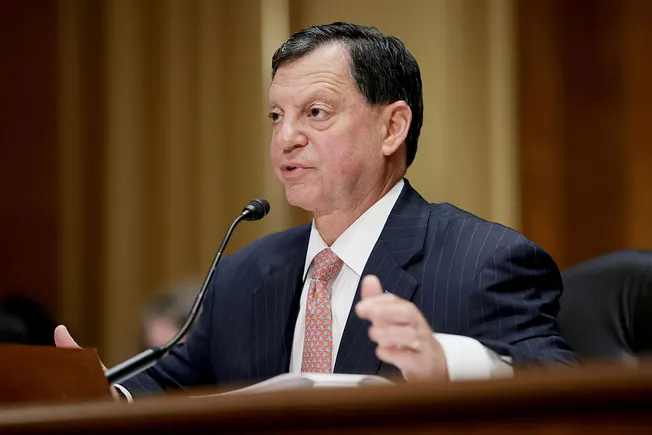
“These proposed regulations will provide clarity for trustees and beneficiaries of Trump Accounts, thus encouraging eligible participants to invest in low-fee mutual funds and ETFs that will grow on a tax-deferred basis potentially over their entire lives,” IRS CEO Frank Bisignano said in a statement Thursday.
Also known as 530A accounts, President Donald Trump created these accounts for U.S. citizen children born on or after Jan. 1, 2025, and before Jan. 1, 2029. They will receive a $1,000 contribution from the federal government, as part of a pilot program. As it stands now, according to a legal and financial advisor who spoke to HR Dive, employer interest in Trump accounts isn’t widespread — noting that Trump accounts likely won’t be covered by the Employee Retirement Income Security Act.
Meanwhile, the current generation looking ahead toward retirement seem less than optimistic: 19% of Gen Xers told Zety researchers that they don’t expect to fully retire and another 19% told Zety they plan to work past 68 years old. They cited concerns about the rising cost of living.
In that August report, Gen Xers named steps they’re taking to improve their financial outlook: Among other behaviors such as reducing their spending or tackling debt, 34% of Gen Xers said they are increasing their savings or contributions and 16% said they are adjusting their investment strategy.
Overall, financial stress seems to be a motif in employee concerns, with 59% of respondents in PwC’s 2026 Employee Financial Wellness Survey saying they were stressed about their finances. Likewise, 52% of respondents said they don’t feel capable of planning for long-term goals.
PwC’s main piece of advice? “Create secure, judgment-free entry points into financial education and wellness,” the report said. “Employees who are stressed about their finances are more likely to be embarrassed to ask for financial guidance. Those employees are also significantly more overwhelmed and slightly more likely to say AI tools are more effective for them.”
Regarding the Trump accounts, Bisignano painted a picture where future generations may not have to struggle as their parents did. “Funds deposited in Trump Accounts enable American children to start investing now and enjoy years of compound earnings for their future college, retirement and other needs,” he said.