
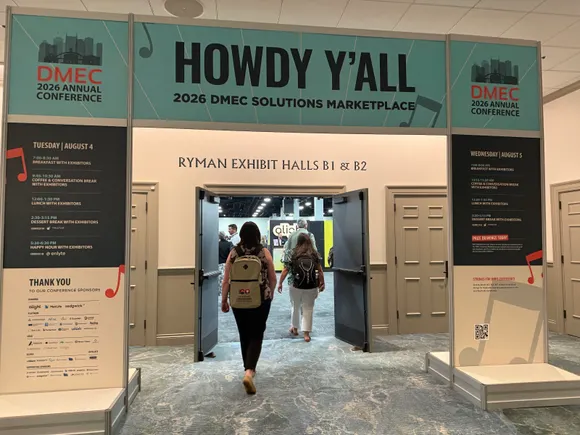
NASHVILLE, Tenn. — From civil unrest to the COVID-19 pandemic, the past few years have taken a toll on workers, said Kristin Tugman, a consultant on health and productivity.
“We are in crisis fatigue, all of us,” Tugman said during a Tuesday session at the 2026 Disability Management Employer Coalition Annual Conference in Nashville, Tennessee. “We have to recognize that employees who are coming through the door are likely in fight-or-flight.”
People are resilient, but that resilience runs out, she said.
Employers can try to improve mental health in the workplace by being intentional and being tuned into how workers are doing, Tugman said. That means recognizing when something seems off and checking in with the employee, rather than assuming it’s a performance issue.
For example, she said, the symptoms of depression can look instead like a performance issue.
She recommended employers watch for patterns. “If you’ve got an employee who has been late since day one, missed deadlines since day one, it’s probably a performance issue.”
On the other hand, if an overachieving worker who never misses deadlines suddenly starts not performing like before, it’s time to ask questions, Tugman said.
Companies also need to take time to train managers to identify potential concerns, she said.
“Psychological safety obviously is optimal if it comes from the top,” Tugman said. “But we also have an opportunity in our own microcosm to create psychological safety.”
That becomes especially important, she said, as the mental health crisis worsens, exacerbated by rising healthcare costs and delayed care.