
Dive Brief:
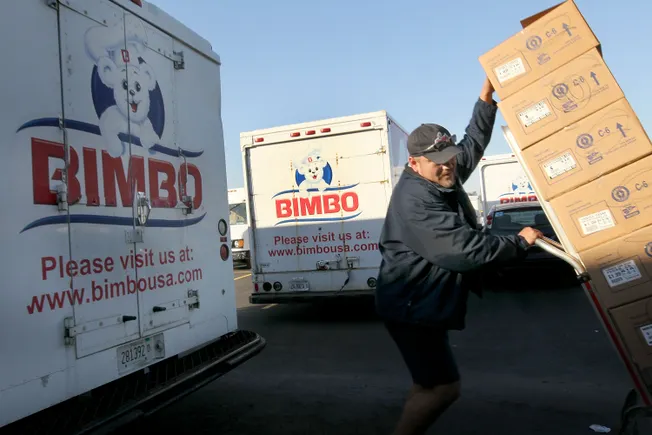
- Two delivery drivers for Bimbo Bakeries USA and Bimbo Foods Bakeries Distribution can’t be compelled to arbitrate a state law misclassification claim because they are transportation workers excluded from coverage under the Federal Arbitration Act, a federal district court in Massachusetts held Mar. 16.
- Per the ruling in Igwenagu v. Bimbo Bakeries USA, Inc., the drivers — one individually and the other as the owner of a delivery business — signed distribution agreements with Bimbo designating them as independent contractors with the exclusive right to purchase and resell Bimbo’s bakery products within a particular area. The business owner’s distribution agreement and a prior settlement agreement the individual driver signed required them to arbitrate all disputes they had with Bimbo.
- The drivers sued the companies under Massachusetts law, alleging they were misclassified as independent contractors and deprived of proper wages. The district court refused to compel arbitration and allowed their case to proceed.
Dive Insight:
Bimbo Bakeries did not respond to a request for comment prior to press time.
Although the company has been involved in a different misclassification case under the Fair Labor Standards Act, this ruling involves Bimbo’s attempt under the FAA to compel the Massachusetts delivery drivers to arbitrate their state law claim.
The FAA establishes a “liberal” policy favoring arbitration agreements, but it provides an exemption for a “contract of employment” of transportation workers engaged in interstate commerce, the court explained.
The drivers here qualify for the exemption, the court held.
They met the first part of the exemption because they perform transportation work, it said. That is, the drivers stated they spend 50-60 hours per week performing delivery services for Bimbo, including transportation work such as transporting Bimbo’s products to various retail locations, loading vehicles and merchandising products at retail locations.
The drivers met the second part of the exemption because the transportation work they perform constitutes interstate commerce, the court found. The drivers “deliver goods through Defendants’ interstate distribution network and perform the final stage of that interstate transportation process,” akin to last-mile delivery drivers, whom the 1st U.S. Circuit Court of Appeals has held engage in interstate commerce, the court explained.
The court also pointed out that a “contract of employment” under the exemption is not limited to formal employer-employee relationships and may include independent contractors if the agreement requires them to perform work or services.
Recently, the U.S. Supreme Court clarified that transportation workers don’t have to work in the transportation industry to qualify for the exemption. The justices unanimously held that a lower court erred in compelling delivery drivers for a Connecticut bakery to arbitrate their wage-and-hour claims because they worked in the bakery industry.
In 2023, a federal district court in Vermont tossed an attempt by Bimbo to recoup money from delivery drivers after they sued it for misclassifying them as independent contractors under the FLSA. A court later conditionally certified a collective action for drivers in the case who work in Vermont, Connecticut and New York, according to a Wanta Thome law firm post. The case is currently on appeal at the 2nd Circuit.